
Building custom games
Plan a visitor discovery game for your destination
Give visitors an afternoon they will remember. A game can tie your best local places and stories into one easy adventure.
Find the Idol team · 3 min read
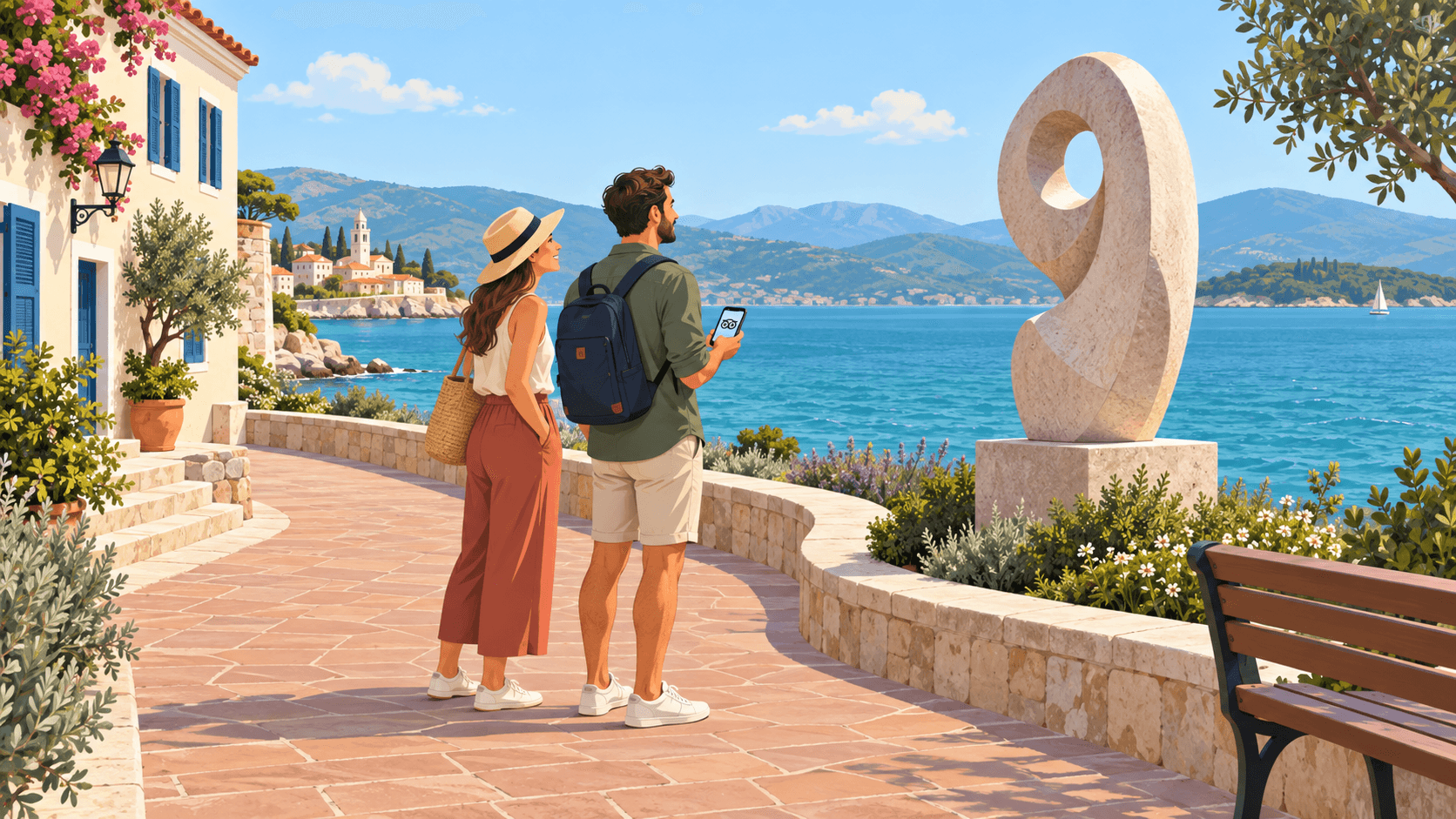
Answer the question "What should we do this afternoon?"
Visitors don't need every recommendation at once. They want one great plan that fits the time they have and the people they are with. A Find the Idol game picks a handful of local places and gives each one a short story and an idol to collect.
Imagine a game made for a first afternoon in town, a morning without a car, or an hour to fill before dinner. One could follow a local legend from stop to stop. Another could lead to the viewpoints and hidden corners that locals love but visitors rarely find.
Players sign up for free in their phone's browser, so your website, social posts, or visitor guide can link straight to the game.
Build one clear outing around a theme
A Discovery Trail works well when visitors want guidance. It has a clear starting point, suggested route, and final stop. The order is recommended rather than enforced, and players retain their finds when they pause. Give a realistic walking estimate that allows time to read, look around, and rest.
A hypothetical waterfront trail might begin at a public square, follow a path to a historic building, pause at a public sculpture, and finish near seating overlooking the water. Each stop should add a different piece of the destination's story. Avoid adding a distant attraction that turns the walk into an unannounced transport problem.
Use a Collection Game instead when the invitation is to discover a neighborhood over several outings. Independent stops let visitors choose around their existing plans. Keep the game’s availability dates separate from the estimated time for any one walk.
Make each arrival worth the walk
Offer one thing to notice
At a building, direct attention to a visible feature rather than supplying a long history lesson. At an artwork, explain a verified detail that helps visitors look more closely. Check historical claims with a reliable local source before including them.
Choose collection that fits the setting
A digital idol uses a location check-in at the agreed outdoor position. A physical wooden idol works in a participating visitor center or business where people can find and scan its QR code during opening hours. The wooden idol stays there for the next visitor.
Make pauses part of the plan
Identify seating, shade, crossings, slopes, and any access restrictions while walking the route. Describe the actual conditions so visitors can judge whether the outing suits them. Collecting an idol does not require a purchase, though a venue may have separate admission conditions to explain.
Help visitor-facing teams recommend it accurately
Give accommodation hosts and visitor-center staff a short description, the game link, a recognizable starting point, and the walk's expected effort. “A waterfront discovery walk with places to pause” tells a visitor more than a broad promise to see everything.
Keep a contact responsible for route information during the game. A closed path or changed opening time can make a carefully planned stop frustrating. Check collection positions and connectivity before launch, and agree how access changes will reach Find the Idol.
Bring a visitor brief, not a complete destination directory
Send Find the Idol your intended audience, proposed area, timeframe, and a handful of candidate stops. Include the stories you can verify and any access constraints. We help shape the route and format, configure the game, prepare the rollout, and support play.
Afterward, ask visitors which place they would have missed without the outing. Combine that feedback with available collection information to improve the next route. A recorded digital collection shows a game interaction at a location, not the visitor's spending or a complete account of their trip.
What should visitors discover on their first walk?
Share the audience, destination, available time, and a few places that tell its story.
Explore custom gamesStill need help? Email us.